Search
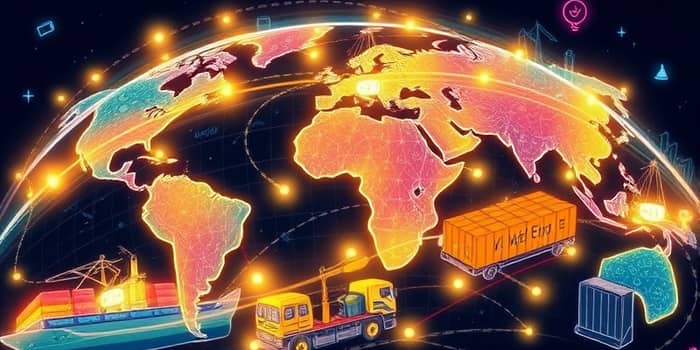
In today’s global marketplace, complex supply chains often harbor hidden risks—counterfeit parts, safety recalls, and extended delays plague manufacturers, retailers, and consumers alike. These challenges stem from opaque processes, manual reconciliation, and siloed information.
Blockchain offers a revolutionary solution: immutable, real-time ledgers create a single, verifiable record of every transaction. By embedding transparency at the core, stakeholders can trace products from origin to delivery, fostering accountability and reducing disputes.
Blockchain transforms fragmented operations into a unified ecosystem. Its power rests on distributed records, cryptographic validation, and automated agreements—delivering unparalleled clarity and reliability.
Together, these pillars form the foundation of blockchain-powered supply chains that outpace conventional models in agility, precision, and accountability.
At its heart, blockchain is a decentralized, distributed ledger. Each participant holds a copy of the ledger, and every transaction—whether a shipment record or a quality certificate—is cryptographically signed and time-stamped.
Smart contracts—self-executing smart contracts—automate approvals, payments, and compliance checks. When predefined conditions are met, the contract triggers actions without manual intervention. Industry leaders like AFFLINK leverage this approach to verify material authenticity in real time, while organizations such as Seko Logistics unify global shipping events, reducing fraud and improving responsiveness.
Adopting blockchain is not merely theoretical. Corporations report measurable improvements in visibility, trust, and cost efficiency. Below is a snapshot of key benefits, descriptions, and tangible impacts observed across industries.
Despite clear advantages, blockchain integration can face obstacles. Recognizing and addressing these challenges early ensures smoother implementation and stakeholder alignment.
Proactive planning, pilot programs, and collaboration with experienced providers such as Oracle/Kaleido and Deloitte can mitigate these hurdles. Their platforms enable seamless legacy system integration and expert guidance to accelerate adoption.
Blockchain’s potential expands when combined with complementary technologies. Artificial intelligence and cloud analytics can mine on-chain data for predictive insights, while IoT sensors feed real-time information—creating a feedback loop of continuous improvement.
Leaders in manufacturing, logistics, and retail are exploring hybrid architectures where blockchain serves as the backbone for end-to-end product lifecycle tracking, and AI-driven dashboards highlight risk patterns, optimize routes, and minimize waste. Deloitte’s insights forecast significant value unlocked through enhanced ESG reporting, risk reduction, and automated compliance.
As competition intensifies and consumer expectations rise, transparency and trust become decisive differentiators. Blockchain elevates supply chains from opaque processes to dynamic, accountable networks—where every participant holds a piece of the truth.
Whether you are a small supplier or a global enterprise, now is the moment to explore pilot projects, forge partnerships with innovators like AFFLINK and Seko Logistics, and envision a future defined by blockchain-powered supply chains. Embrace this technology to safeguard your brand, delight your customers, and pioneer a more transparent world.
References