Search
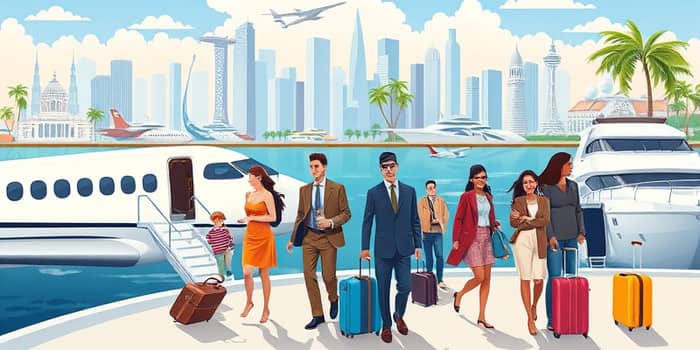
In an increasingly interconnected world, the movement of high-net-worth individuals and their assets is reshaping economic and social landscapes. From sun-soaked coasts to glimmering urban centers, the global distribution of wealth is in flux at record pace.
Global wealth migration today refers to the cross-border relocation of HNWIs and their investable capital, excluding primary residences. Definitions vary by threshold:
By 2025, an estimated 142,000 millionaires will cross international borders, and projections for 2026 suggest around 165,000 relocations—the largest voluntary transfer of private capital in modern history.
Several forces propel these migrations:
For many families, these considerations blend with personal aspirations, educational goals for children, and a desire to diversify risk across jurisdictions.
Destinations range from established capitals to emerging enclaves, while source nations grapple with capital flight and talent drain.
Other significant gainers include Saudi Arabia (+2,400), Singapore, Malta, and Costa Rica, while India, Russia, Brazil, and South Africa experience notable outflows.
These shifts carry profound implications. Host countries often enjoy surges in investment that fuel real estate, entrepreneurship, and job creation. Conversely, origin nations can face brain drain and fiscal shortfalls, straining public finances and hindering growth.
At the societal level, rapid inflows may inflate housing markets and widen inequality, while outflows can erode local philanthropy and civic leadership. Balancing opportunity with equitable development is a growing challenge.
By approaching relocation with a holistic strategy, individuals can maximize benefits while mitigating unforeseen costs.
Collaboration between public and private sectors is vital to craft policies that benefit both migrants and local communities.
The AlMansouri family, long established in London’s financial district, chose to relocate to Dubai in early 2025. Seeking a tax-efficient environment, enhanced security, and modern schooling, they obtained Golden Visas through property investment.
Within months, their small tech venture tapped into Dubai’s vibrant startup ecosystem, securing new rounds of funding and access to regional markets. Their children adjusted to an international curriculum, and the family reports an improved work-life balance under the emirate’s sunshine and cosmopolitan embrace.
Global wealth migration underscores the agility and aspirations of today’s elite. For policymakers and communities, it presents both challenges and opportunities: to harness incoming capital while shoring up domestic resilience.
As capital reshapes borders, stakeholders must pursue thoughtful strategies that foster innovation, uphold social cohesion, and ensure that both migrants and residents share in the benefits of an interconnected economy.
References