
Search
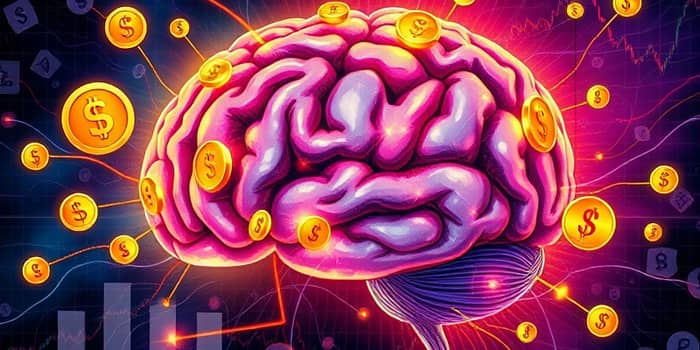
In today’s dynamic financial landscape, understanding the subconscious consumer responses to marketing can be a game-changer for banks, fintech innovators, and wealth managers alike. Neuro-marketing, also known as consumer neuroscience, merges cutting-edge brain science with behavioral finance to illuminate the hidden drivers behind investor choices. Unlike traditional methods that rely on surveys and self-reports, this approach taps directly into neural and physiological signals. By decoding real-time reactions to visual cues, messaging, and product designs, organizations can craft experiences that resonate on an emotional level, guiding users toward sustainable financial habits. This article delves into the core theories, tools, and practical steps needed to harness neuromarketing responsibly in finance. You will discover how to navigate the ethical landscape, measure impact, and implement transformative strategies that not only boost engagement but also foster genuine financial well-being.
By prioritizing empathy and transparency, brands can transform complex offerings into intuitive journeys, reducing decision paralysis and heightening long-term loyalty. Across banking, investments, and savings, the fusion of neuroscience with behavioral insights heralds a new era where products align with innate human motivations, creating win-win outcomes for institutions and customers.
At the core of every financial decision lies a tapestry of emotions, biases, and heuristics that shape how individuals perceive risk, value, and reward. Classical economic theory assumes rational actors, but decades of research reveal that subconscious emotions dominate financial decisions, often leading to behaviors that deviate from optimal outcomes. Behavioral finance pioneers like Daniel Kahneman and Amos Tversky uncovered how mental shortcuts, such as anchoring and representativeness, distort judgment. Richard Thaler’s work on nudges demonstrated that seemingly small design elements can produce outsized behavioral shifts.
Key biases manifest most acutely when everyone’s stakes are high—the pressure of potential gains or losses can trigger evolutionary survival instincts. For example, loss aversion causes investors to hold onto underperforming assets, hoping to break even rather than accepting a loss. Overconfidence leads traders to underestimate market volatility, prompting excessive risk-taking. Meanwhile, herding behavior, fueled by social proof, can inflate bubbles as individuals follow the perceived wisdom of the crowd.
Understanding these patterns is the first step. The next is crafting interventions that acknowledge innate drives while steering choices toward more rational, long-term strategies.
Applying neuroscience tools in a financial context demands careful integration of data from multiple sources. Eye-tracking cameras and heat maps pinpoint which page elements attract immediate attention—studies show that trust signals like security badges and concise fee disclosures reduce bounce rates by up to 20% in the first 20 seconds. EEG headsets and biometric sensors provide second-by-second insights into users’ emotional arousal, offering a window into how individuals process calls to action, pricing tables, and app notifications.
Behavioral experiments, rooted in randomized controlled trials, test the effectiveness of interventions such as auto-enrollment, progress reminders, and loss-framed vs. gain-framed messaging. By quantifying changes in deposit rates, click-throughs, or time spent on platform features, practitioners can iteratively refine designs.
When deploying these tools, teams must adopt rigorous protocols and ensure that interpretations consider context and individual variability. Combining quantitative metrics with qualitative feedback delivers a holistic view, empowering designers to craft features that trigger predictable rewards sustain user engagement and reinforce positive financial behaviors.
The translation of neuromarketing insights into concrete financial solutions has already yielded impressive results across sectors. In digital banking, personalized onboarding experiences that emphasize quick wins—like immediate budgeting categories and celebratory animations—boost user activation by over 25%. Wealth management platforms integrate bias-aware visualizations that highlight diversification and long-term performance, lowering churn rates among high-net-worth clients.
Investment apps harness timely nudges to counter fear and greed: alerts encourage users to resist panic selling during downturns and to capitalize on systematic investment plans during market dips. By framing contributions as achievements, platforms tap into reward circuitry, making regular deposits feel inherently satisfying rather than burdensome.
One leading fintech firm reported a 40% increase in average daily logins after integrating a simple “save-the-date” feature that reminds users of upcoming bill payments and suggests small automated transfers to savings. Such interventions demonstrate the power of emotional decision-making processes in finance to reshape long-term habits.
As financial institutions embrace neuromarketing, ethical considerations must guide every step. Transparency and user control are paramount. Consumers should be informed about data collection methods and the purpose of personalized nudges, ensuring adherence to privacy regulations such as GDPR and CCPA.
Looking forward, advances in AI-driven personalization and wearable neurotech will further blur the line between neuroscience and user experience. By committing to transparent user empowerment strategies and controls, organizations can balance innovation with ethical integrity, paving the way for a financial ecosystem that is both effective and equitable.
To translate neuromarketing theories into actionable strategies, follow these guidelines:
1. Map User Journeys: Identify key decision points—such as account setup, first deposit, or portfolio review—where cognitive load is highest.
2. Choose Appropriate Tools: Combine eye-tracking, EEG, and A/B testing to capture attention, emotional arousal, and behavior changes.
3. Design Micro-Interactions: Implement progress bars, celebratory animations, and timely reminders that trigger dopamine pathways.
4. Pilot and Measure: Run controlled experiments to compare outcomes, tracking metrics like conversion rates, retention, and habit persistence.
5. Iterate with Empathy: Collect qualitative feedback to refine interventions, ensuring they feel supportive rather than intrusive.
By following a structured roadmap and maintaining ethical standards, teams can cultivate ethical neuromarketing practices for finance that deliver measurable benefits and strengthen client trust.
Neuro-marketing in finance represents a paradigm shift, where understanding the emotional drivers underlying investor decisions becomes as important as quantitative modeling. By integrating neuroscience tools and behavioral science, financial brands can create experiences that resonate deeply, fostering healthier money habits and enduring customer relationships.
The future will see even more sophisticated applications—powered by AI and wearable sensors—but the core principle remains unchanged: empathy-driven design that upholds transparency and user empowerment. Embracing this frontier with responsibility and purpose promises not only enhanced business outcomes but a more inclusive and supportive financial ecosystem for all.
References