Search

Rare earth elements have emerged as indispensable components in countless modern technologies. From the smallest smartphone sensors to the largest wind turbine generators, these critical metals underpin the performance and efficiency of contemporary systems. This article explores how 17 metallic elements are driving a technological revolution while presenting both opportunities and challenges on a global scale.
Rare earth elements (REEs) are a group of 17 chemical elements consisting of 15 lanthanides plus scandium and yttrium. They share closely related chemical behaviors but occupy unique roles in industry. Scientists often describe them as the vitamins of modern materials because even tiny amounts can enhance performance dramatically.
Contrary to their name, many REEs are more abundant in the Earth’s crust than silver or gold. They appear in diffuse mineral deposits rather than concentrated veins, making commercial extraction complex, resource-intensive, and environmentally sensitive. Furthermore, the process of separating individual elements is difficult due to the phenomenon known as lanthanide contraction, which yields virtually inseparable and reactive chemical profiles.
Each rare earth element has carved out strategic niches in industry. Below is a table summarizing major elements, their symbols, and flagship applications.
Beyond these, elements like holmium, erbium, thulium, ytterbium, and lutetium enable advanced fiber-optic amplifiers, specialized lasers, and niche medical applications, often in minute but critical quantities.
Rare earths are widely credited with catalyzing major leaps in performance across multiple sectors. Their strategic importance lies in their unique magnetic, optical, and catalytic properties.
In each domain, the presence of rare earths often means smaller components, reduced energy losses, and longer lifespans. These improvements contribute directly to sustainability goals by improving resource utilization and lowering operational carbon footprints.
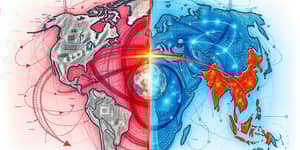
The strategic value of rare earths has led to intense competition among nations. Currently, a handful of countries dominate mining, refining, and processing capabilities. Supply chain bottlenecks can arise from export restrictions, trade disputes, or environmental regulations.
These factors have united governments, industry leaders, and researchers in efforts to secure stable supplies and mitigate geopolitical risks.
Ensuring resilient and responsible rare earth supply chains requires collaboration among stakeholders worldwide. Key strategies include:
At the same time, emerging markets for hydrogen fuel cells, advanced batteries, and next-generation computing will further drive REE demand. Balancing supply security with environmental stewardship and ethical labor practices remains a complex challenge.
By embracing innovation and forging new partnerships, industries can transform rare earth challenges into opportunities. The path forward calls for holistic thinking, transparent cooperation, and sustained investment in both technology and human capital.
Ultimately, the story of rare earth elements is one of remarkable scientific achievement and daunting responsibility. As these metals continue to reshape industries, stakeholders must commit to sustainable, equitable, and forward-looking solutions that benefit both society and the planet.
References