
Search
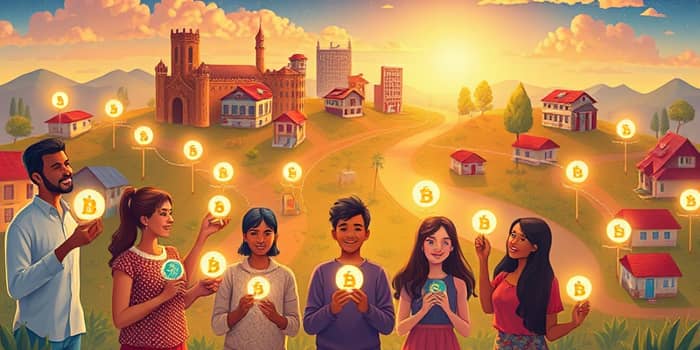
The real estate landscape is undergoing a remarkable transformation fueled by blockchain innovation. Tokenization is not just a technological upgrade; it is a gateway to democratized property investment for all, empowering individuals to reshape their financial futures.
At its core, tokenization converts physical properties or their revenue streams into digital tokens on a blockchain. Each token represents a share of ownership or cash flow, enabling investors to acquire tiny slices of high-value assets that were once out of reach.
By breaking down a $10 million property into 10,000 tokens at $1,000 each, this process unlocks fractional ownership democratizes investing. Buyers around the globe can participate, choosing properties by location, asset type, or yield potential without bank loans or high minimums.
Tokenization creates a vibrant, inclusive ecosystem where global access and real-time trading converge. Traditional real estate often traps capital for months or years, but tokenized assets trade like stocks.
This combination produces global, retail-inclusive investment opportunities, expanding participation from underbanked regions and sophisticated institutions alike.
Implementing tokenization involves several clear steps. First, a real estate asset is professionally valued and legally structured under a security framework. Next, smart contracts mint digital tokens that represent shares or revenue rights.
Investors acquire tokens through platforms, storing them in digital wallets. Trading occurs peer-to-peer, cutting out brokers and ensuring eliminates middlemen and lowers fees. Rent, interest, or sale proceeds flow back automatically, creating a truly transparent, on-chain revenue stream.
Leading pilot projects validate the concept. Aspen Digital’s token offering for the St. Regis Aspen Resort attracted global buyers, trading tokens on secondary markets in real time. Numerous residential and commercial properties across North America, Europe, and Asia are following suit.
Consider these market metrics:
Such initiatives illustrate that tokenization could obsolete notary fees and streamline costs to near-zero levels, as predicted by leading audit firms.
Despite its promise, tokenization remains nascent. Investors should assess platform credibility, smart contract audits, and legal compliance. Regulatory frameworks vary by jurisdiction, and full automation may stall if traditional processes persist in parallel.
Key precautions:
The next frontier lies in programmable real-world assets bridging TradFi and DeFi. Imagine bundles of global properties pooled into token baskets with automated yield rebalancing. Voting rights, lock-up periods, and green-energy incentives can all be coded directly into tokens.
Future trends include integrating real estate tokens with decentralized finance protocols for borrowing, yield farming, and cross-asset collateralization. This evolution promises unprecedented integrates seamlessly with DeFi protocols and flexibility.
If you’re inspired to join the tokenized revolution, follow these actionable tips:
By taking these steps, you can build a diversified, liquid, and borderless real estate portfolio, gaining benefits that traditional assets simply cannot match.
Real estate tokenization is more than a trend—it is a profound shift that invites every individual to reshape their financial destiny. Embrace this new paradigm, explore emerging platforms, and seize the opportunity to own a piece of the world’s most valuable asset class.
References