
Search
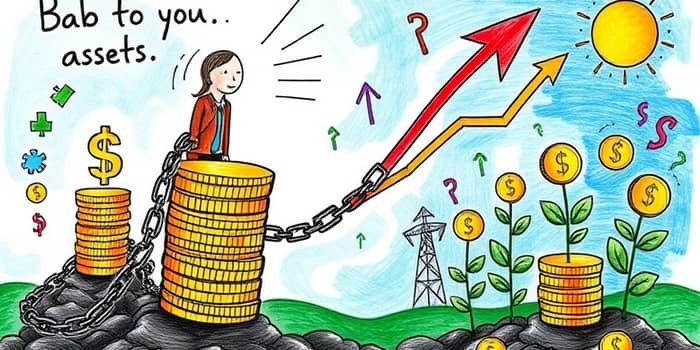
Debt can feel like a prison—limiting choices, stoking anxiety, and trapping potential. But with the right plan, you can demolish burdens and redirect resources into lasting wealth.
Before you launch an assault on your balances, it’s crucial to distinguish between debts that weigh you down and those that may serve as a bridge to future gains. Not all borrowing is created equal.
High-interest obligations can compound relentlessly, eroding your net worth and sense of control. In contrast, some loans fund education, real estate, or business ventures that appreciate over time.
Borrowing falls into three broad categories. Understanding their nature helps you devise a targeted repayment plan.
Your first mission is clear: annihilate high-interest consumer debt as fast as possible. Next, optimize medium-rate obligations. Finally, use long-term borrowing that fuels asset growth.
Choosing a repayment method shapes your momentum, motivation, and total savings. Three core strategies dominate:
Debt Snowball Method: List debts from smallest balance to largest. Make minimum payments on all, then apply every extra dollar to the smallest. Early victories spark motivation and build confidence.
Debt Avalanche Method: Rank debts by APR, highest to lowest. Maintain minimums, then direct surplus funds to the highest-rate debt. Mathematically optimal, it reduces total interest and payoff time.
Hybrid Approach: Combine both. Eliminate one or two small balances first to gain quick wins, then switch to the avalanche style for maximum interest savings.
Select the method that aligns with your temperament. If you crave rapid wins, the snowball may sustain your drive. If long-term efficiency matters most, avalanche is your ally.
Beyond frameworks, actionable tactics amplify your progress. Implement these tools to gain leverage:
Concrete numbers fuel motivation. Consider a $10,000 credit card balance at 20% APR with a 2% minimum payment (around $200). How strategies compare:
The difference between decades of payments and a few years underlines the power of even modest extra contributions.
With high-cost debts eradicated, deploy freed funds to asset creation. This shift transforms past outflows into future inflows.
Begin by establishing an emergency fund—typically 3–6 months of essentials—to guard against unexpected expenses that can derail progress. Treat this fund as a defensive asset protecting your journey.
Next, channel resources into diversified investments: low-cost index funds, retirement accounts with employer matches, or high-yield savings. Consider entrepreneurial ventures that scale, alongside skill development to boost earning potential.
Long-term success hinges on psychology and systems. Behavioral finance teaches us that humans resist change, gravitate toward instant gratification, and forget intentions under stress.
Combat these tendencies with automation: schedule payments to align with paydays, set reminders for financial reviews, and celebrate milestones along the way. Visual trackers, apps, or simple charts can reinforce commitment.
Transitioning from negative net worth to positive net worth is more than numbers—it’s an emotional metamorphosis. Each payment chip away at the chains of debt, and each dollar redirected becomes a seed for lasting wealth.
By embracing systematic debt repayment methods, tactical tools, and disciplined automation, you convert the interest you once paid into interest you earn. You rewrite your financial story from burdened to empowered.
Begin today. Pick your framework, deploy the tools, and watch liabilities vanish as you build assets that endure for generations.
References