
Search
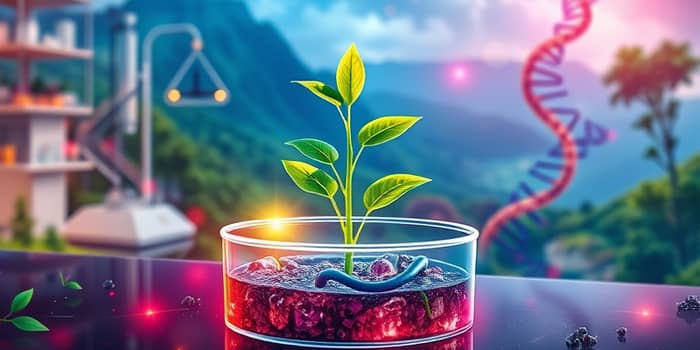
Synthetic biology stands at the frontier of human ingenuity, offering a transformative path to reimagine life itself. By merging engineering principles with biological systems, this discipline empowers us to design, construction, and redesign of biological entities for purposes once confined to science fiction. From curing diseases to restoring ecosystems, synthetic biology shapes a future where innovation and nature coexist in harmony.
At its core, synthetic biology draws inspiration from the intricate patterns of life. It moves beyond traditional genetic engineering by building entire genomic circuits, not just transferring small gene segments. This shift enables researchers to craft novel organisms with tailored behaviors, unlocking unprecedented possibilities.
Early milestones—such as the first synthetic bacterial genome in 2008 and the creation of a self-replicating synthetic organism in 2010—proved that faster, cheaper, and more precise product development in biology is achievable. Today’s breakthroughs stand on those foundations, accelerating progress through automation, standardization, and modular design.
Several key tools power the synthetic biology revolution, each refining our ability to write and interpret the language of life. Together, they form a toolkit that researchers use to push boundaries, from the molecular scale to whole ecosystems.
By engineering living systems, synthetic biology reshapes multiple sectors, driving sustainable solutions and economic growth. Its impact spans healthcare, agriculture, energy, and beyond.
With market projections soaring into the hundreds of billions by 2030, synthetic biology presents compelling opportunities for investors and innovators alike. North America leads in funding and infrastructure, while Asia-Pacific emerges as a rapid-growth region driven by strategic partnerships and government initiatives.
Key investment themes include:
By channeling resources into research and commercialization, stakeholders can harness the promise of synthetic biology to fuel reusable biological building blocks and systems worldwide, creating resilient economies rooted in innovation.
Despite its potential, synthetic biology carries inherent risks and societal questions. Crafting novel organisms raises concerns about biosafety, ecological balance, and biosecurity. Transparent governance frameworks and robust regulation are essential to ensure responsible development.
Equity and access also loom large: ensuring that breakthroughs benefit all communities—not just those in wealthy regions—requires deliberate policy, inclusive funding models, and global collaboration. Striking a balance between intellectual property rights and open innovation will shape the field’s trajectory.
As synthetic biology matures, its convergence with artificial intelligence, nanotechnology, and advanced materials science will unlock even more ambitious visions. Imagine living buildings that adapt to climate, or microbial allies that regenerate soils and purify water.
By embracing mindful stewardship of our planet’s future, we can guide synthetic biology toward solutions that honor nature’s wisdom while amplifying human creativity. The journey demands curiosity, collaboration, and a shared commitment to building a sustainable, equitable world.
Investing in nature’s innovations is not just a financial decision—it is a statement of hope, affirming our belief that the next leap in human progress will arise from the very code that defines life itself.
References