Search
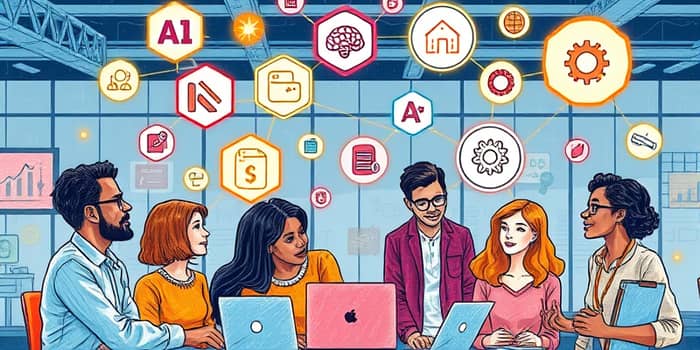
The world of work is undergoing a radical transformation. Organizations no longer rely solely on traditional degrees or static job titles to define talent. Instead, they are embracing a model where proven abilities and demonstrable competencies take center stage. This shift demands a new mindset, one that values learning agility, verified skills, and the continuous reinvention of professional identity.
Four converging forces are propelling the rise of skill-based economies. These forces are not transient trends but fundamental shifts that reshape how people work, how companies compete, and how societies prosper.
For decades, organizations have used degrees and institutional prestige as stand-ins for capability. Yet mounting evidence shows that traditional credentials often fail to predict on-the-job success. As companies strive for equity and performance excellence, they are turning to objective skills data to guide hiring, compensation, and development decisions.
By focusing on what individuals can demonstrably do, rather than where they studied, businesses unlock untapped talent pools, reduce bias, and fuel innovation. This transition creates opportunities for bootcamp graduates, self-taught experts, and professionals from non-traditional backgrounds to shine.
In a skills-first labor market, roles are deconstructed into discrete tasks and capabilities. Talent decisions—from recruitment to promotion—are based on real-time skill inventories, not past affiliations or pedigrees. This granular approach aligns individual strengths with organizational needs, driving productivity and engagement.
Skills are the currency of work, used to determine pay scales, project assignments, and professional growth. As roles evolve, employees can shift laterally, combine new competencies, and contribute in ways that static job descriptions never anticipated.
Micro-credentials have emerged as a cornerstone of this new model. These focused certifications verify specific skills—such as data analysis, cybersecurity fundamentals, or leadership techniques—and can be earned in weeks rather than years.
Picture a professional carrying a wallet of portable credentials that transparently displays each verified ability. Digital, standardized, and tamper-resistant, these credentials map to industry standards, enabling employers to interpret them consistently. This ecosystem democratizes access to quality roles and empowers learners to chart personalized growth journeys.
Micro-credentials offer modular, affordable upskilling options, ideal for mid-career professionals who cannot pause work for full-time study. By stacking these badges, individuals demonstrate a layered skill profile that evolves in tandem with market demands.
Adopting a skills-based approach requires a comprehensive talent strategy. Organizations must redefine processes, adopt new technologies, and cultivate a culture that prizes learning and adaptability at every turn.
The World Economic Forum forecasts that by 2030, 39% of core skills will have shifted, driven by technological advances and changing market dynamics. Professionals who master emerging disciplines will enjoy heightened employability and resilience.
Technological skills—from AI and big data analytics to network security and foundational digital literacy—are outpacing all other categories. Concurrently, employers are placing greater emphasis on creative thinking, leadership, and adaptability under pressure to navigate uncertainty.
Individuals should embrace lifelong learning, pursue relevant micro-credentials, and maintain a dynamic digital portfolio showcasing their achievements. By proactively developing high-demand skills, they can command competitive compensation and steer their career trajectories.
Organizations must invest in the infrastructure that enables skill-based strategies: robust analytics platforms, partnerships with diverse training providers, and HR processes redesigned around competencies rather than credentials. Clear metrics—such as reduced time-to-hire, improved retention, and increased innovation—will track progress and drive continuous improvement.
Change is seldom comfortable, but the rewards of adopting a skills-first mindset far outweigh the risks of maintaining the status quo. By focusing on what people can do, rather than where they have been, organizations tap into a deeper reservoir of creativity, passion, and drive, propelling both individuals and enterprises toward unprecedented levels of achievement.
Ultimately, the transformation to skill-based economies is not merely a tactical shift but a philosophical one. It celebrates human potential, democratizes opportunity, and aligns value creation with demonstrable talent. By weaving skills into the very fabric of work, we can build more equitable, adaptable, and resilient organizations—powered by people who are ready to meet the challenges of tomorrow.
References