Search
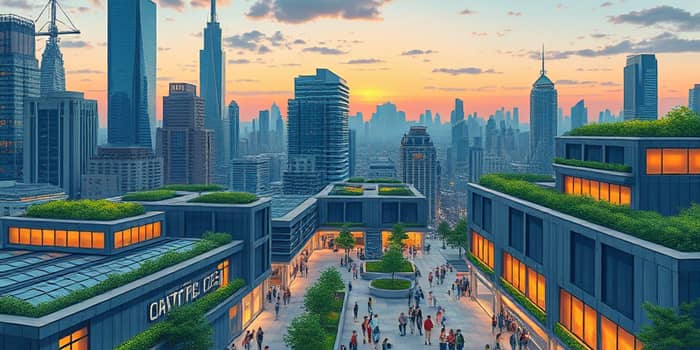
Urban growth is reshaping our world at an unprecedented pace, unlocking both challenges and opportunities. From sprawling metropolises to emergent mid-sized cities, investment in urbanization drives economic, social, and environmental transformation.
The journey toward a more connected, resilient future demands adaptable and forward-looking investment strategies that harness the energy of demographic change and digital innovation.
In 2025, over 58% of humanity—4.8 billion people—live in towns or cities. By 2050 that share will climb to 67%, adding 1.7 billion urban dwellers.
While megacities with more than 10 million residents attract headlines, small and medium-sized cities are housing 96% of urban centers and growing even faster, especially across Africa and Asia.
This table highlights the dynamic shifts among the world’s top five megacities, illustrating both growth and contraction over the coming decades.
Urbanization is propelled by job opportunities, rising incomes, and the expansion of middle classes. Cities become hubs of creativity, trade, and digital connectivity.
Major economic forces include:
These factors converge to create ecosystems where innovation thrives, supported by public and private capital.
Each region exhibits unique hotspots for urban investment, shaped by demographic trends and policy frameworks.
This regional diversity underscores the need for tailored approaches to capture value and drive impact.
As cities expand, sustainability becomes paramount. Buildings account for 36% of global energy use and 39% of CO₂ emissions, highlighting the urgency of green buildings and resilient infrastructure.
Key initiatives include:
Smart-city technologies—IoT sensors, data analytics, and AI—enable real-time management of traffic, utilities, and public services, fostering more livable and adaptive urban environments.
Despite the promise, urbanization presents significant hurdles. Housing shortages, aging infrastructure, and power constraints persist, especially in fast-growing metropolises.
Other key challenges include:
Addressing these issues demands unprecedented demographic shifts transforming economies into more inclusive and sustainable systems.
By 2050, Dhaka is poised to become the world’s largest megacity, while emerging centers like Addis Ababa and Dar es Salaam will join the roster of tens-of-millions metropolises.
Global urban spending will surge, driven by infrastructure funds growing at an anticipated 99% CAGR in key markets.
International organizations, such as the World Bank, maintain active urban portfolios worth tens of billions, channeling resources into housing, transport, and climate-smart projects.
The rise of global mega-cities offers a profound opportunity to reimagine our built environment. Through digital infrastructure and sustainable development, investors and policymakers can foster vibrant, equitable, and resilient communities.
Whether in a bustling Asian megacity, a mid-sized European capital, or an emerging African tech hub, the blueprint for success remains consistent: integrate smart design, leverage public-private collaboration, and prioritize long-term environmental health.
In embracing the urban age, stakeholders can harness the power of cities to drive economic prosperity, social inclusion, and ecological balance for generations to come.
References