
Search
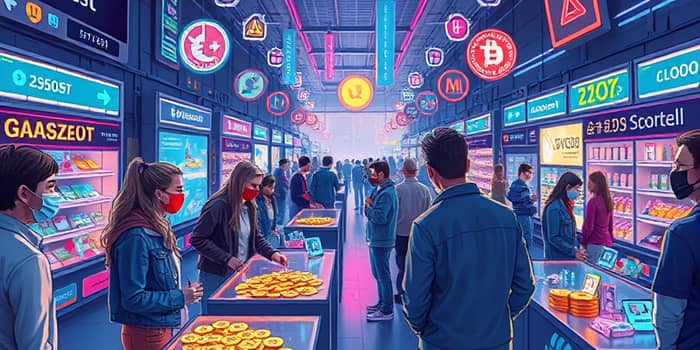
Step into the realm where pixels and profit collide. Virtual economies are reshaping how we work, play, and invest. From MMO gold trades to blockchain-based land sales, digital environments now generate real value, unlocking new horizons for creators, players, and investors.
In this exploration, we’ll journey through the evolution, mechanics, risks, and future of these synthetic markets. Discover essential strategies to thrive and practical advice to protect your investments as you navigate this groundbreaking frontier.
The story of virtual economies begins in the late 1990s with early MMOs like Ultima Online and EverQuest. Players discovered the value of virtual gold, weapons, and armor, spawning gray markets on eBay. As World of Warcraft emerged, complex auction houses and player professions elevated in-game commerce to unprecedented heights.
By the mid-2000s, Second Life introduced the Linden Dollar, empowering users to become micro-entrepreneurs with minimal startup costs—selling clothing, designs, and even virtual real estate. This era highlighted how persistently engaging digital marketplaces could sustain vibrant economies beyond simple gameplay rewards.
Modern virtual economies hinge on three core components: virtual assets, currencies, and marketplaces. Understanding these elements is crucial for anyone seeking to leverage digital commerce.
Designers must balance supply and demand, manage inflation, and craft reward loops that keep users engaged. Economic sinks—such as transaction fees or crafting requirements—help set the stage for seamless exchange of digital assets without destabilizing the ecosystem.
Today, the global virtual goods market is forecasted to reach $189.76 billion by 2025, while NFT trading volumes surged to $17 billion in 2021. With roughly 2.5 billion participants across devices and headsets, these environments offer unprecedented earning potential.
Actors in this space include:
Bridging digital and real value means anyone can generate income from play. Titles like Axie Infinity popularized unlocking real wealth from pixels, transforming gaming time into tangible rewards. Savvy participants understand market cycles, scarcity mechanics, and community trends to maximize returns.
With great opportunity comes risk. Virtual currencies often flirt with regulatory scrutiny—KYC/AML, gambling laws, and consumer-protection mandates are evolving rapidly. Fraudulent schemes, rug pulls, and market manipulation threaten trust.
To safeguard assets and reputation:
Community governance models and governance through decentralized autonomous organizations are emerging as tools to foster transparency and collective decision-making. Whether centralized or decentralized, robust compliance frameworks are essential for enduring growth.
The metaverse era promises fully immersive VR/AR commerce, where storefronts and social hubs blend seamlessly. Blockchain innovations will deepen asset interoperability, enabling users to transfer NFTs and tokens across platforms with confidence.
Key trends to watch:
As these worlds mature, principles of fairness, accessibility, and community trust will determine which platforms thrive. By embracing responsible design, fostering inclusive communities, and prioritizing security, we can unlock the full potential of immersive virtual worlds where value thrives.
Whether you’re a player, creator, or investor, the fusion of digital play and real-dollar economics invites you to explore new dimensions of opportunity. Prepare to chart your course through this evolving landscape, armed with knowledge, foresight, and an unwavering spirit of innovation.
References