
Search
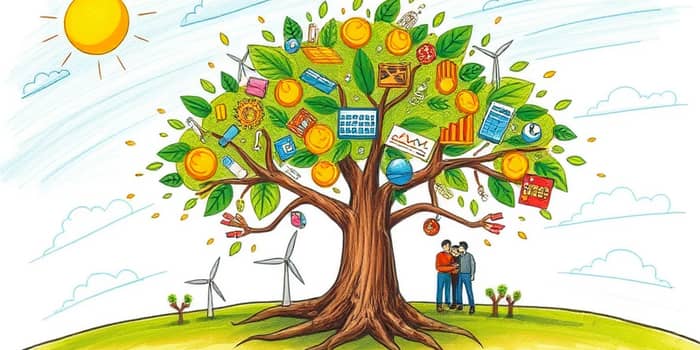
In an era of rapid change and increasing uncertainties, the quest for lasting prosperity requires more than just luck or timing. By adopting disciplined approaches and environmentally conscious principles, individuals can chart a course toward financial freedom and social benefit. This guide unveils a comprehensive, sequential framework to cultivate wealth that endures across generations.
Each step builds upon the last, ensuring a balanced path that respects both your financial goals and the world you wish to leave behind.
Every journey begins with a clear understanding of where you stand today. Start by conducting a thorough review of your 2025 budget, identifying areas of unnecessary expenditure and potential savings. Creating an emergency savings for protection offers a safety net against unexpected costs and supports long-term stability.
Evaluate lifestyle choices that may lead to creeping expenses. By aligning your spending with future aspirations, you foster habits that drive sustainable accumulation rather than impulsive consumption. Periodic budget reviews help you stay on course and adjust to evolving circumstances.
Once a solid foundation is established, focus on spreading risk. Diversification is key to weather market fluctuations and seize growth opportunities across sectors. Determine your risk tolerance and time horizon to guide asset allocation decisions.
Regularly rebalance your portfolio to maintain target weights, ensuring that no single asset class dominates your holdings over time. This disciplined approach helps you lock in gains and mitigate concentrated risk.
Not all investments are created equal. Seek out companies with strong balance sheets, consistent earnings, and robust competitive advantages. By prioritizing focus on resilient assets, you enhance the portfolio’s ability to withstand downturns.
Simultaneously, take advantage of tax-advantaged accounts to maximize after-tax returns. Contribute to 401(k)s, IRAs, and HSAs whenever possible, leveraging pre-tax contributions and tax-free growth to optimize wealth accumulation. Employer matching and catch-up provisions amplify these benefits.
Integrating environmental, social, and governance criteria aligns your investments with broader values and can improve risk-adjusted returns. Companies that prioritize sustainability often exhibit reduced volatility and stronger reputations in times of crisis.
Look for thematic ETFs and green bonds that finance projects aligned with UN Sustainable Development Goals, reinforcing both profit and purpose. Green bonds often fund renewable infrastructure, offering discount pricing and tax incentives.
Demographic trends show younger investors fueling the rise of sustainable finance. Millennials and Gen Z increasingly demand investments that reflect personal values, driving growth in SRI and ESG products. Regulatory enhancements improve transparency, giving all investors the information needed to make conscious choices. This momentum underscores the dual advantage of sustainable strategies: potential outperformance and alignment with global progress.
Debt can be a powerful tool when used wisely, but high-interest obligations erode net worth. Begin by targeting credit card balances and other costly loans. Prioritize paying off debts carrying rates above 7–10% annually.
At the same time, maintain an adequate emergency fund with 3–6 months of living expenses. This reserve avoids the need to liquidate long-term investments at inopportune times, preserving compound growth over years.
True sustainable wealth transcends personal balance sheets. Develop a comprehensive estate plan that clarifies asset distribution and reduces tax burdens for heirs. Consider trusts, wills, and beneficiary designations to streamline transfer.
Invest time in financial education for the next generation. Empower them to carry forward your values and strategies, ensuring that family wealth contributes positively to society over decades.
Consider establishing a charitable foundation or donor-advised fund. Such vehicles allow you to direct resources toward causes you care about, creating a personal legacy of philanthropy that complements your financial bequests.
Markets evolve, regulations shift, and personal circumstances change. Establish a routine for portfolio reviews and rebalancing, consulting professional advisors when needed. Embrace continuous learning to refine your approach.
Set measurable benchmarks for performance, such as annualized return targets and specific sustainability metrics. Regularly compare results against these goals to stay on track and make timely adjustments as conditions evolve.
Attend industry seminars, read respected financial research, and stay informed about innovations in sustainable finance. Adapting ensures that your strategy remains aligned with both market developments and your long-term vision.
By following this step-by-step framework—grounded in discipline, diversification, ethical principles, and proactive planning—you pave the way to build wealth with lasting impact. The journey demands patience and commitment, but the rewards extend beyond individual prosperity, fostering resilient communities and a healthier planet.
Begin today by assessing your current position, then progress deliberately through each stage. With persistence and purpose, you can unveil the path to true sustainable growth.
Embarking on this comprehensive plan transforms wealth creation from a short-term chase into a meaningful, multi-generational mission. Let each decision resonate with deliberate intent and ethical foresight, ensuring that prosperity endures and contributes to a brighter future for all.
References