
Search
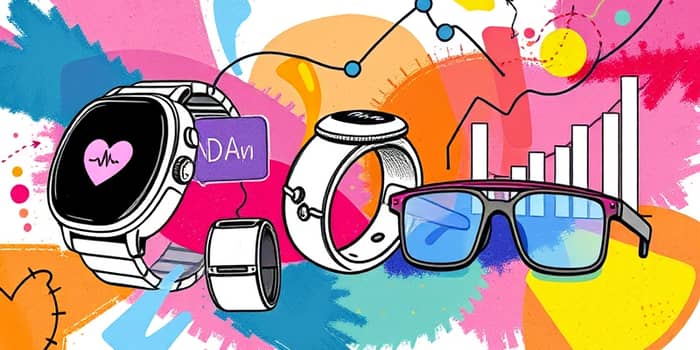
Wearable technology has evolved from simple pedometers to advanced devices that monitor vital signs, optimize performance, and unlock economic opportunities. By blending personal health insights with financial growth, these innovations empower individuals and organizations to thrive.
The global wearable technology market is experiencing unprecedented expansion. Today’s market sits at approximately USD 80–100 billion and is on track to double in size by 2030. With a compound annual growth rate (CAGR) exceeding 15% across leading forecasts, wearables represent a massive growth runway for investors and entrepreneurs alike.
These figures underscore a compelling investment theme: technology giants and emerging startups are channeling resources into research, manufacturing, and distribution of next-generation wearables. From smartwatches to advanced health sensors, opportunities abound in every segment.
As this sector grows, stakeholders should monitor regional trends and technology partnerships that can yield long-term value creation.
The term “wearable” now encompasses a broad spectrum of devices. While wrist-worn gadgets remain dominant, innovation is flourishing across several categories:
Additional segments include smart rings for sleep and stress monitoring, AR glasses for immersive training, and body-worn medical patches for continuous glucose or blood pressure measurement. This diversification is driving consumer interest and enterprise solutions.
By fostering a consumer–clinical convergence, wearables appeal to both lifestyle enthusiasts and healthcare providers, creating robust partnerships across industries.
On an individual level, wearables have revolutionized preventive health. Devices now track daily activity, monitor sleep quality, and alert users to irregular heart rhythms. These tools leverage data analytics to deliver data-driven personalized health insights, nudging users toward healthier behaviors.
Continuous tracking enables early detection of health anomalies. For example, alerts for elevated resting heart rate or low oxygen saturation can prompt timely medical consultations, potentially preventing serious complications. Peer-reviewed studies show that wearable users increase daily physical activity by up to 20% when engaged with real-time feedback and social challenges.
Beyond physical metrics, wearables support mental health by tracking stress levels through HRV and skin conductance. Real-time biofeedback guides users through breathing exercises and mindfulness sessions, fostering holistic wellbeing. Gamified cognitive tasks delivered on smart glasses or watches can sharpen focus and memory, blending neurofeedback with daily routines.
Beyond personal wellness, wearables are reshaping healthcare delivery. Remote patient monitoring platforms integrate wearable data into clinician dashboards, allowing doctors to track chronic conditions without in-person visits. This convergence not only improves patient outcomes but also delivers cost savings for insurers and health systems.
As governments and payers invest in telehealth, wearable adoption is set to accelerate further, driving both health benefits and economic efficiency.
Wearables are not just about health metrics; they also enhance productivity by optimizing time usage. Smartwatches offer calendar alerts, contactless payments, and voice assistants at a glance, reducing interruptions and streamlining daily tasks.
Corporate wellness programs equipped with wearables can improve employee engagement and lower absenteeism. Organizations report:
By capturing and analyzing behavioral patterns, companies can design more efficient workflows, granting employees a wealth of time for strategic endeavors.
Despite their promise, wearables pose challenges around privacy, data security, and accuracy. Users must be aware of how personal health data is stored and shared. Regulatory frameworks are evolving to ensure compliance, but vigilance remains critical.
Accuracy varies across devices, especially for advanced metrics like VO₂ max or blood pressure. Consumers and clinicians should select validated wearables and understand the margin of error. Ethical considerations arise when insurers or employers access individual health records.
Balancing innovation with user rights requires transparent data policies and robust encryption standards—a cornerstone of trustworthy digital health ecosystems. Battery life constraints, interoperability hurdles, and design comfort also demand continuous improvement from manufacturers.
Looking ahead, wearables will become even more integrated and intelligent. Emerging trends include augmented reality glasses delivering contextual health coaching during workouts, smart tattoos and epidermal sensors offering imperceptible monitoring, and AI-driven predictive analytics forecasting health events before symptoms arise.
Integration with 5G and edge computing will enable instantaneous processing of complex biometric data, reducing latency and enhancing privacy by processing sensitive information locally on devices. Collaboration between tech giants and healthcare startups is poised to yield specialized wearables for chronic disease management and eldercare assistance.
Furthermore, the convergence of wearables with decentralized finance (DeFi) platforms could reward healthy behaviors with tokenized incentives, blending health and wealth in novel ecosystems. Enterprise-grade AR devices may soon play central roles in remote training, logistics, and field services, boosting operational efficiency across industries.
Wearable technology stands at the nexus of health and wealth, offering powerful tools for personal wellbeing and economic growth. By embracing these innovations responsibly, individuals can unlock new insights into their health, while organizations harness efficiency gains and foster sustainable markets.
Whether you’re an investor seeking the next growth frontier or a health enthusiast aiming for peak performance, wearable tech puts unprecedented capabilities right at your fingertips. The time to explore, innovate, and invest is now.
To get started, assess your personal health and productivity goals, research devices with clinical validation, and integrate wearables into daily workflows using robust apps and platforms. Embrace data responsibly, prioritize device security, and collaborate with health professionals to unlock the full potential of this technology.
References